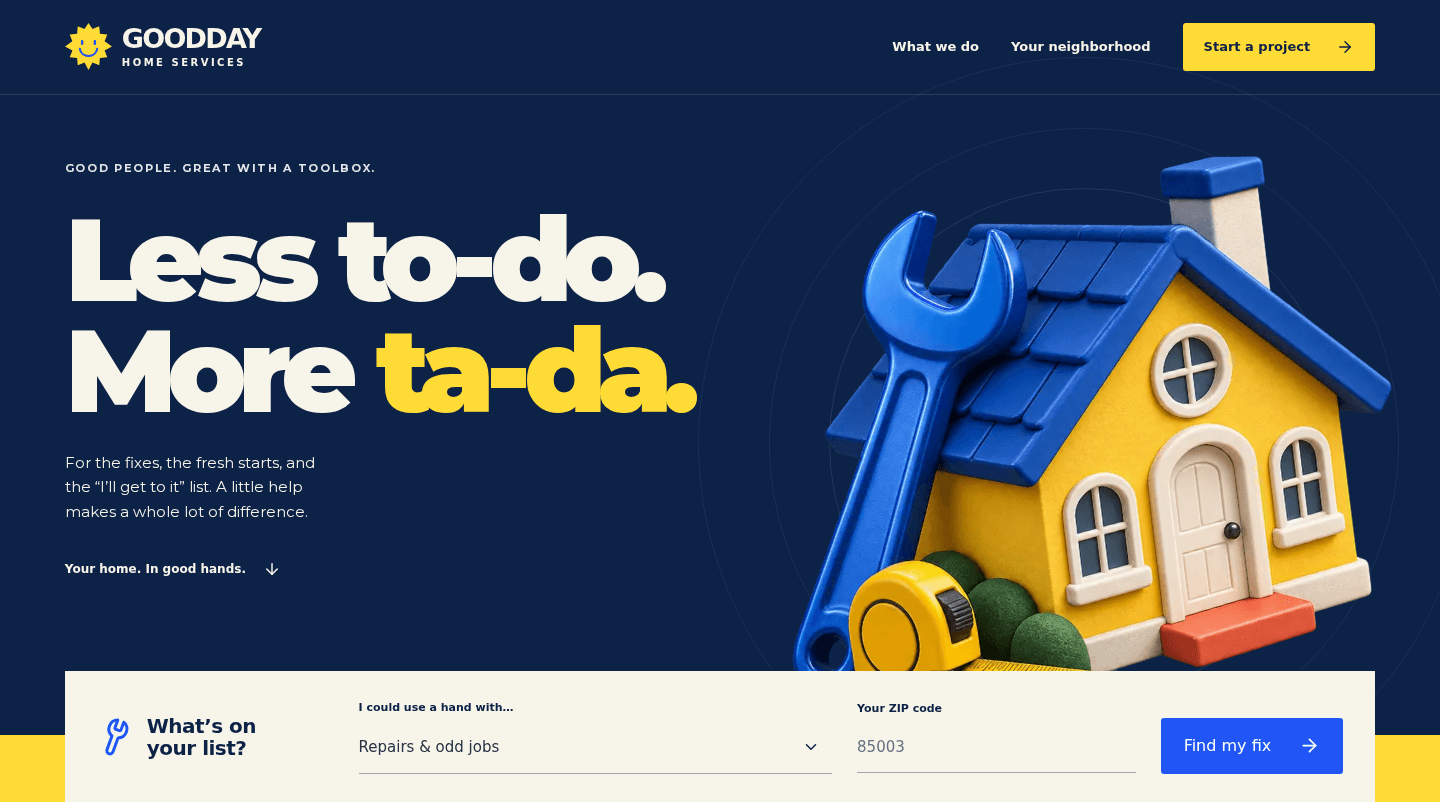
Web design for local services
The neighborhoodis looking for you.
Website design and redesign for owner-led contractors and home-service businesses in Arizona and across the US. Clear services, real coverage areas, and a practical way to request a quote.
Projects from $3,500
Help homeowners recognize the right service
Show customers you handle their kind of job.
Broad labels like “repairs” or “home improvements” leave homeowners guessing whether the specific job on their list is something you actually do.
I turn your services into clear choices with work photography and a practical description of each job, helping visitors recognize the right service before they ask for an estimate.
Make your services easier to choose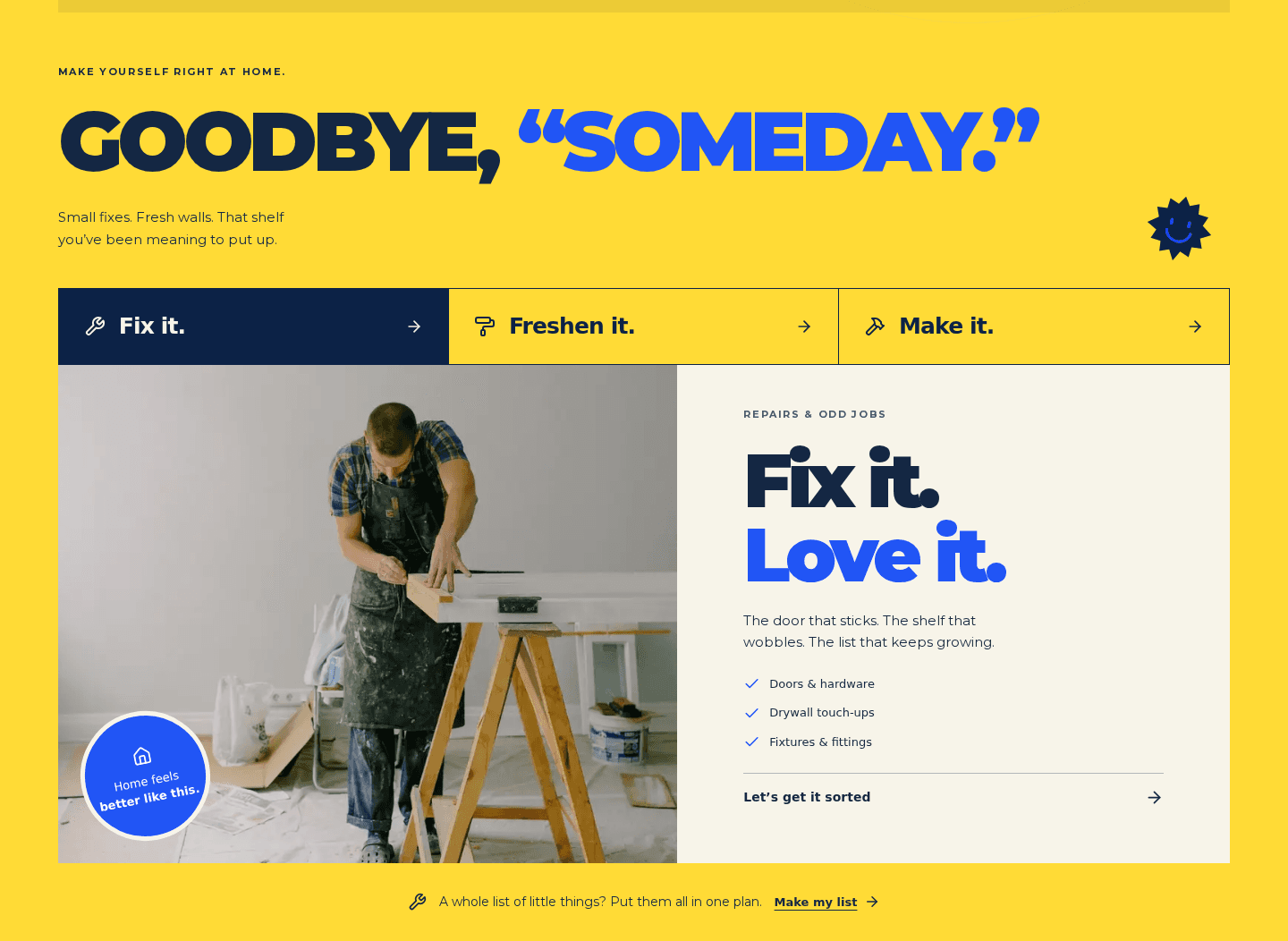
Get the details before the callback
Spend less of the first call filling in blanks.
A message that only says “I need a quote” leaves you chasing the job type, location, and timing before you can discuss the work.
I build a short mobile request that asks for those details up front, giving you enough context to prepare for the conversation while keeping the form manageable for the homeowner.
Get more useful project enquiries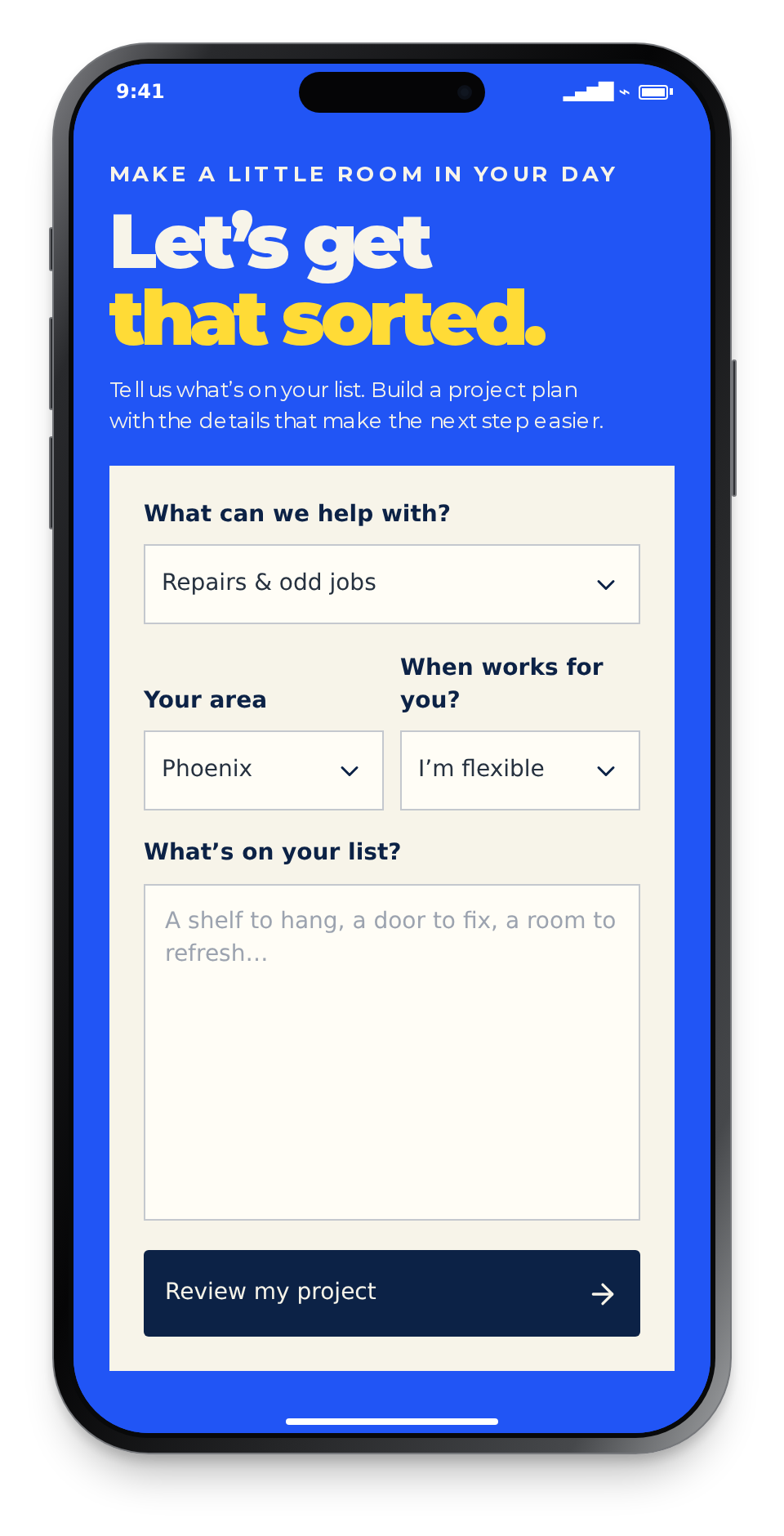
Keep enquiries inside your service area
Stop making customers guess where you work.
Unclear coverage brings enquiries from places you do not serve and leaves nearby homeowners unsure whether they should contact you at all.
I make your service area visible and add a simple ZIP code check, so visitors can confirm their location before starting a request and your team can focus on relevant jobs.
Put your service area on the map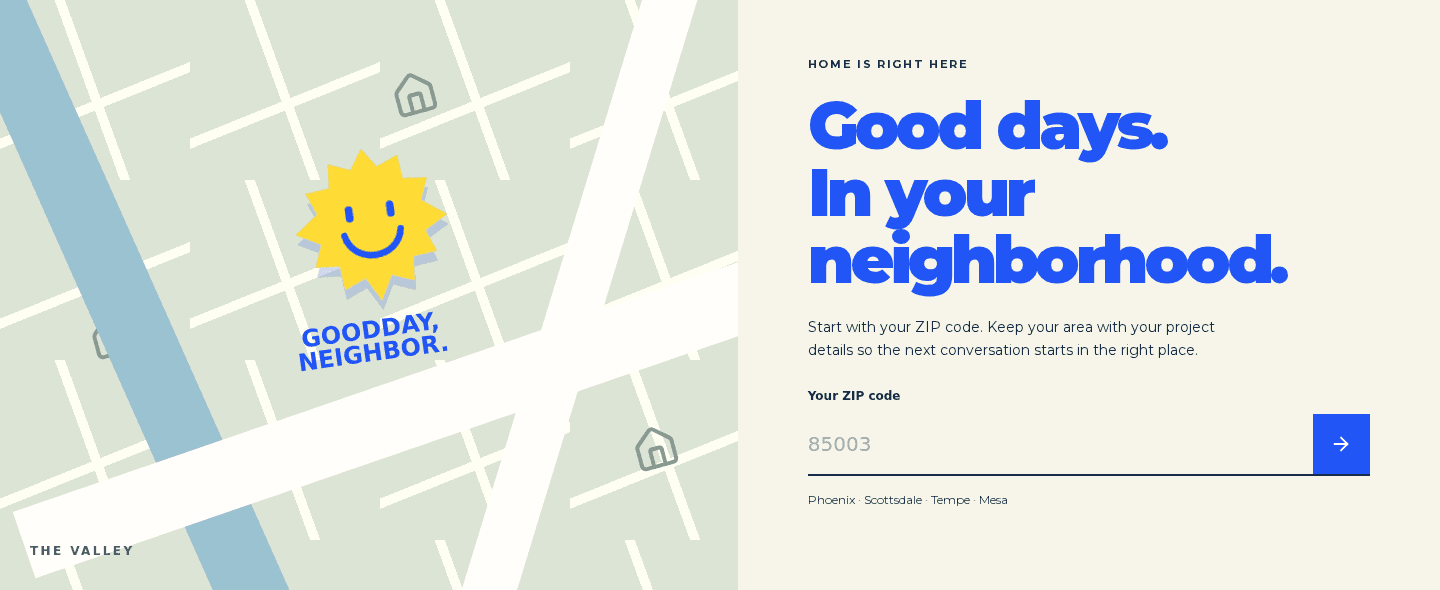
Selected projects
See it in the work.
Do you build websites for contractors and home services?
Yes. I can scope new websites and redesigns for owner-led contractors and home-service businesses in Arizona and across the US. The work focuses on clear service information, real coverage areas, useful proof, and a practical enquiry path.
Can you help us rank for 'near me' searches?
Local SEO is included in the project, including service-page structure and Google Business Profile alignment. We use accurate business information and useful content; no specific ranking, call volume, or number of booked jobs is guaranteed.
How long does a local service website take?
Most local service projects take 4–8 weeks depending on service pages, locations covered, and content readiness.
Will the site work well on phones?
The design includes mobile layouts, tap-to-call links, and usable enquiry forms. We check the agreed contact path on phones and desktops before launch.
Do I need a page for every town I serve?
Not automatically. Start with an accurate coverage overview. A separate area page should answer useful local questions and reflect the services you actually provide there. Changing only a city name does not create a helpful new page.
Can you connect our booking or customer-management software?
I can assess the links, embeds, or integrations your provider supports. We confirm access, plan limits, and the intended handoff before agreeing on the work. Third-party fees and custom development are identified separately.
Have you published contractor or home-service client projects?
The current published portfolio does not include a clearly identified contractor or home-service client project. This page describes how existing website design, development, and care capabilities can be scoped for your business.
What should I send for a website quote?
Share your current website if you have one, the services and areas you cover, who handles enquiries, and any tools the site needs to work with. Projects start at $3,500; the agreed pages, content, and connections determine the quote.
What can we include in the project?
I build websites for owner-led contractors, trades, and home-service businesses in Arizona and across the US. Explain the jobs you take, the places you serve, and how a customer can request help.
A new site or contractor website redesign starts with your actual services and enquiry process. We can improve the pages and contact path while keeping the business tools that already work for your team.
- Service pages with a clear scope. Organize the work you actually offer into useful pages. Explain typical requests, relevant limits, and the next step without promising a result you cannot assess yet.
- Calls and quote requests. Make calling and sending an enquiry easy on a phone. Agree on the job details your team needs, then check that submitted requests reach the intended recipient.
- Accurate service-area content. Describe where you genuinely work. Add separate area pages when they provide useful local information, rather than repeating the same page with a different city name.
- Proof your business can stand behind. Present your supplied project photos, approved reviews, and current credentials clearly. Your team confirms permission, accuracy, and any limits on the claims before publication.
- A handoff that matches your workflow. Explain what happens after a request. Assess any scheduling or customer-management connection against the provider and access you already use; scope custom connections separately.
- Website care as services change. Plan updates to service details, staff, hours, photos, and coverage areas. Agree on recurring maintenance and who supplies the information after launch.
Start with the work and locations you actually serve
A homeowner needs to know whether you handle their request before filling out a form. Separate your main services and explain meaningful differences, such as repairs versus installations or residential versus commercial work.
List your real coverage area and any restrictions your team approves. A service area is not an office location. We review how your website and Google Business Profile describe the business without inventing a storefront or a presence in every town.
Make the enquiry useful to the person answering it
Choose the information needed for the first conversation: the service requested, general location, a short description, and a way to reply. Ask for further details only when they help your team assess the request.
Say who receives the request and what the customer should expect next. A form confirmation is not an accepted job or a confirmed appointment. Only describe emergency or after-hours availability when your team actually provides it.
Redesign the website without assuming every tool must change
We review your current pages, domain, content access, and contact workflow before choosing the work. Existing scheduling, quoting, or customer-management tools can remain part of the plan when their supported connections meet the brief.
Before launch, check the mobile contact path and confirm that test enquiries reach your team. Afterwards, decide who maintains service information and whether ongoing website care or a separately scoped SEO engagement is useful.

Your project. My full attention.
I’m Brandon. You’ll work directly with me, from the first conversation through design, development, and launch.